
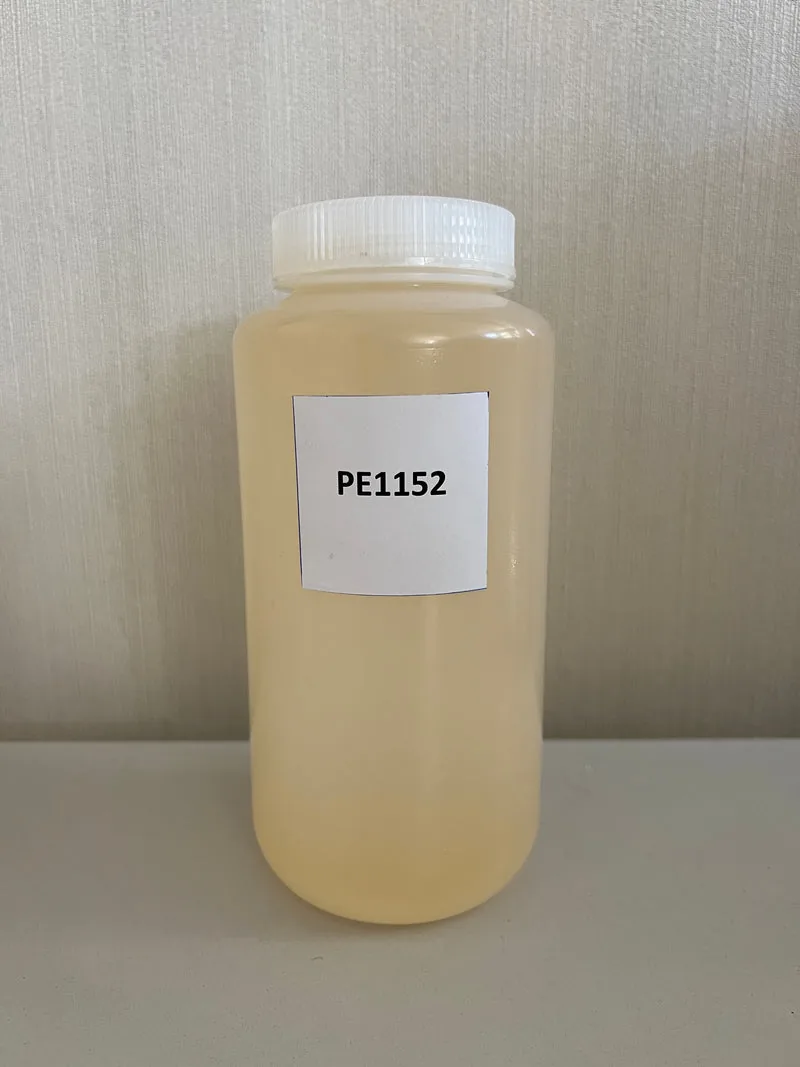
Food-Grade Impregnation Oil PE1152 — 1 Litre
Food-grade impregnation oil for refilling sintered self-lubricating bushings. 1-litre bottle to restore oil-filled bronze and iron bearings in food machinery.
- Material
- PE1152
- Family
- Industrial Oils
- References
- 1 available sizes
- Supply
- Standard sizes and project quantities
Choose your size
1 original dimensional references are available for this product group.
Selected reference: Default Title
Request this size →Food-Grade Impregnation Oil PE1152 is a refined, food-safe lubricating fluid supplied in a 1-litre sealed bottle for charging and re-charging oil-impregnated sintered self-lubricating bushings. It is the consumable that makes a sintered bearing "self-lubricating" in the first place: the porous bronze or iron matrix is only maintenance-free for as long as its interconnected pore network stays saturated with a clean, correctly specified oil. PE1152 is intended specifically for equipment where incidental food contact is possible, so worn or dried-out bushes in hygienic zones can be restored without introducing a non-food-approved lubricant.
Unlike a general-purpose machine oil, a food-grade impregnation charge is chosen as much for what it does not contain as for its lubricity. PE1152 is a clear, near-colourless fluid that is characteristically odourless and tasteless, formulated to the incidental-contact (H1-type) philosophy typical of this material class rather than to a bulk-lubrication or gear-oil specification. That makes it suitable both for the initial vacuum impregnation of newly machined sintered blanks and for the periodic top-up of bushings that have run for extended service intervals.
A single litre goes a long way. Because a sintered self-lubricating bush only needs to hold oil within roughly 20-25% of its own volume — the interconnected porosity left after sintering — one bottle re-impregnates a large batch of small and medium bushings, making PE1152 a practical stock item for maintenance departments running Metafram-type BP25 bronze or FP20 iron bearings in food, beverage and packaging machinery.
How it works
An oil-impregnated sintered bearing works on capillary action across its interconnected porosity. During sintering, the bronze or iron powder fuses into a rigid skeleton that retains roughly 20-25% open, interconnected pore volume, and that pore network is flooded with PE1152 under vacuum. In service, frictional heat and the hydrodynamic pressure generated in the shaft-to-bore clearance draw a thin film of oil out of the pores to the running surface: the oil's thermal expansion and the local pressure gradient bleed lubricant exactly where and when the contact needs it, so the bearing runs on a self-generated film rather than on grease or external oil feed.
When motion stops and the bush cools, capillary forces reverse the process and reclaim the oil back into the porous matrix, leaving the surface effectively dry. This continuous release-and-recovery cycle is what delivers maintenance-free, dry-running operation over long intervals. It also explains why the oil itself matters: as the charge is gradually depleted by evaporation, migration and end-of-life wear, re-impregnating with a like-for-like fluid such as PE1152 — clean, food-grade and of the correct impregnation viscosity — restores the original self-lubricating behaviour without contaminating a food-contact environment.
Technical characteristics
| Product type | Food-grade impregnation oil for sintered self-lubricating bearings |
|---|---|
| Grade reference | PE1152 |
| Base fluid | Refined white oil chemistry (typical for the food-grade impregnation class) |
| Food-contact class | Formulated to incidental-contact (H1-type) philosophy — typical for this material class, not a SKU-specific certification |
| Impregnation viscosity | Light-to-medium impregnation grade (class-typical ISO VG range), thin enough to fully penetrate ~20-25% porosity |
| Appearance | Clear, near-colourless; characteristically odourless and tasteless |
| Container | 1 litre sealed bottle |
| Compatible bearings | Sintered bronze (BP25) and sintered iron (FP20) self-lubricating bushes, blanks and thrust washers |
| Function | Charges and restores the interconnected pore network that makes a sintered bush self-lubricating |
| Typical service temperature | Approx. -10 to +120 °C for food-grade white-oil charges (material-class typical range, not a certified rating for this SKU) |
Typical applications
- Re-impregnating sintered bronze and iron bushes in food-processing machinery
- Initial vacuum impregnation of newly machined sintered blanks for hygienic zones
- Bakery, dough and mixing equipment bearings with incidental-contact exposure
- Beverage bottling, filling and capping-line pivots and cam followers
- Meat, poultry and fish processing conveyors and slicer mechanisms
- Dairy, confectionery and chocolate machinery guide bushings
- Packaging, wrapping and cartoning machines running near open product
- Coffee, vending and dispensing-machine drive and linkage bearings
- Commercial kitchen and catering appliance shafts and hinges
- Maintenance stock for any Metafram-type self-lubricating bush in food, beverage or pharmaceutical plant
Installation & fitting
PE1152 charges a sintered bush by filling its open porosity, so cleanliness and full penetration are the priorities. Handle the oil and the bearings in a clean area and avoid cross-contaminating the bottle with non-food-grade lubricants — keep it sealed between uses and clearly segregated from workshop oils.
- Prepare the bush: ensure the sintered part is clean, dry and free of swarf, old degraded oil or degreaser residue before impregnation; any surface contamination blocks the pores.
- Vacuum impregnation (preferred): submerge the bushes in PE1152 and draw a vacuum to evacuate air from the pore network, then release the vacuum so atmospheric pressure forces oil deep into the interconnected porosity. This gives the most complete, repeatable charge.
- Hot-oil dip (workshop alternative): where vacuum equipment is unavailable, immerse the bushes in warmed PE1152 and hold until air bubbles cease, allowing thermal cycling to draw oil into the matrix; let parts drain and cool before fitting.
- Fitting the bush: press impregnated bushes into a clean, correctly sized housing using an arbor press and a piloted mandrel; because sintered bores can close slightly on press-fit, check running clearance after installation rather than reaming, which would smear and seal the surface pores.
- Wipe and store: remove surplus surface oil before assembly, and store both bottle and spare impregnated bushes sealed and away from dust, heat and direct sunlight to protect the charge.
Selection guidance
Choose PE1152 whenever a sintered self-lubricating bush operates in an area where the lubricant could make incidental contact with food, beverage or ingredient streams, or where a hygienic audit requires a food-grade fluid throughout the machine — for example bottling lines, bakery equipment, meat conveyors and packaging cells. For general industrial machinery with no food-contact risk, a standard (non-food-grade) sintered-bearing impregnation oil is the more economical charge and is usually preferred. PE1152 is a food-grade impregnation oil, not a bulk lubricant: it is intended for charging and restoring porous sintered bushes and blanks (BP25 bronze, FP20 iron and similar), not as a general gear, chain or bearing-housing oil. Match the impregnation charge to the fluid the bushes were originally supplied with — a like-for-like food-grade oil such as PE1152 — rather than mixing chemistries, and select the 1-litre bottle for maintenance re-impregnation and small-batch initial charging.
Available references
1 original dimensional references are available for this product group.
Frequently asked questions
What is food-grade impregnation oil used for?
Can I use PE1152 to re-oil a bushing that has run dry?
Is PE1152 compatible with both bronze (BP25) and iron (FP20) sintered bearings?
How many bushings will one litre impregnate?
Does using this oil make the bearing certified food-safe?
Why not just use ordinary machine oil to top up a sintered bush?
Application-focused selection
Send dimensions, load, speed, temperature and environmental conditions for a technical review.
Request a quote ↗